My name is Henry Cornish and I am currently completing a Masters degree in Marketing at the University of Exeter; which includes modules such as Digital Business Models. My blog will be focused on the digital side of business and how using digital platforms can make a business successful.
I am born and raised in the south west and have recently returned home after completing my undergraduate degree at the University of Birmingham. After studying Business and completing two years of internship I undertook this module to understand more about the new digital world! Future blog posts will be about everything that I am learning from the digital module!
It has come for me to reflect on this module and the journey that me and you have been on! To reflect upon this experience I have used Gibbs, (1988) model. This is because my journey is never ending!
Gibbs reflection model (!988) (Brookes N.D)
What happened?
Within this journey there were a variety of subjects that were covered, from the gig economy to the digital adoption within the MOOC. As some subjects were interlinked, I tried to ensure that each blog post followed on from one another.
My most popular written material was the post about the dairy industry and how it is changing. This had the most feedback as many people from different backgrounds and ethnicities had different views because of the exposure that they had to the subject.
As we can see there are some interactions on this post, this is just a few examples of such interactions. However it was interesting to read other comments because we were limited on word count how they expressed other thoughts and ideas on the subjects. This is something the MOOC and the online ELE site had also shown me. This was because a wide variety of people could comment it meant we learnt not just content but how it applies to people in different areas.
Comments on the post
Comments on MOOC and ELE throughout the course
Learning from others and Learning through comments examples
Feelings
At the start of the module I felt very hesitant to start the module as it was very much self-motivated and required you to do the work, not guided by the lecturer as such and more focus on you and your skills. Something which I must admit was hard to do at the start. I thought that my skills would not be up to the task but with constant improvement I felt at the end I could do the tasks competently!
Evaluation
Evaluation of the Goof and Bad
Overall, we can definitely say the module was a positive experience!
What went well?
What went well for me on the course?
Moving forward
After this I will employ some of the new skills that I have learnt into practice, such as writing in a new different style, presenting new pieces of work in new manners never thought of before and learning how to stimulate myself from distance working.
Example of skills I have taken forward into my new modules (Digital Business)
Next Time
If it was to happen again I would have carried out the same process as I had carried out previously highlighted below as it has seem to work well!
My action plan if the task would have arisen again
Conclusion
From this I have learnt many new skills which will impact my greater career journey and will have positively impacted my journey moving forward! Thank you for joining me in this journey!
Video Feedback on the course
Comments on others posts during the course
Comments on others posts during the course
References
Husebø, S., O’Regan, S., & Nestel, D. (2015). Reflective Practice and Its Role in Simulation. Clinical Simulation In Nursing, 11(8), 368-375. doi: 10.1016/j.ecns.2015.04.005
Purple is a mattress, pillow and seat cushions manufacturer. It was founded by two brothers, Tony and Terry Pearce in 2015. However the company many say started years before this in 2013 when they patented new machines and now own 23 and counting trademarks, which are used in a wide variety of industries. But how have Purple been so successful, becoming one of the biggest manufacturers of mattresses?
How Purple mattresses are made (JerryRigEverything 2020)
Sharing Economy
It could be argued that some of its success relies down to the use of the sharing economy, Kickstarter. This is a sharing economy because people are sharing a resource, money, for a specific goal of trying to raise funds for a specific objective. This is one of the most common examples of a sharing economy. By utilising the sharing economy, it has allowed the brand to gain enough investment and reduce costs. For example, in 2016 they needed £25,000 for their pillow, one month later they raised over £2.6 million for the project (Kickstarter n.d). By using the platform, they have reduced overall costs and increased profitability in doing so. However, this is not new or innovative as anyone can do this, which is not giving them a competitive edge (Slater and Narver 1994). Thus I believe that this is a contributing factor not the main cause of their success.
New technology?
Part of their success is down to the way they had belief that they could change the way the industry does things. This led to the invention of Mattress Max (Purple n.d). This has enabled them to merge two or more pieces of elastic based materials into one complete mattress. This has occurred through Tony and Terry implementing a leadership style that allows creativity and allows people to change the way that they do things. Without leadership allowing creativity and allowing the barriers of change to be removed this would not occur (Reiter-Palmon & Illies, 2004). This could be down to the way that they have seen over the short-term gains and the potential benefits in the long run (Wang, Tsai & Tsai, 2014).
How creativity can be viewed in leadership (Learning 2018)
New digital business model?
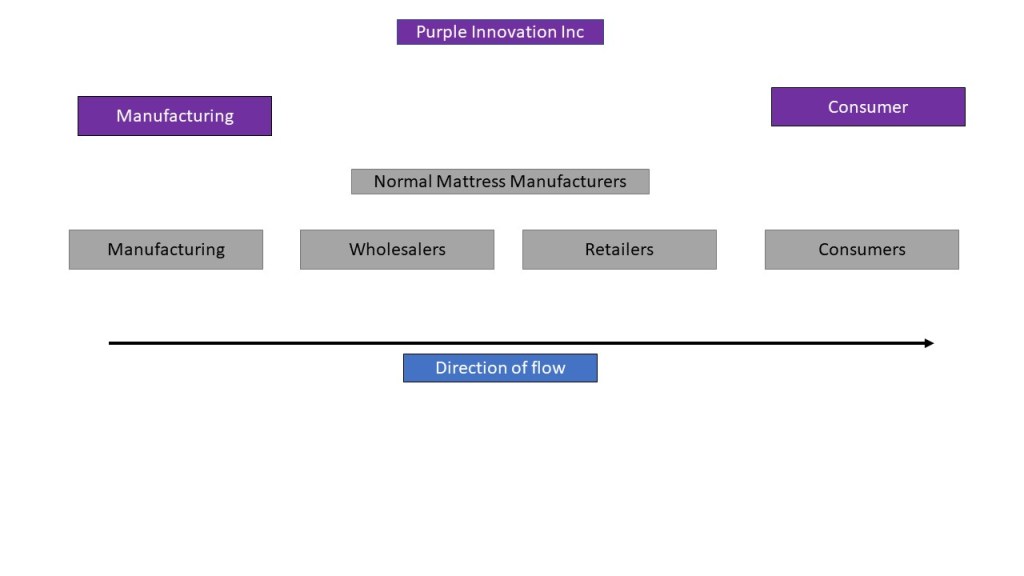
Previously consumers have always either bought a bed and mattress together or bought them separately, however always from a shop/retailer. This is because consumers always want to try the mattress out first before they buy. Purple have turned the market on its head and offer something completely different. Purple send you the mattress which consumers buy online from their website. This is then delivered, and consumers can try the mattress for up to 100 days and if they are not happy, they get a full refund, provided it is not damaged etc. This model increases the profitability for the company, because there is no mark up on the mattresses because they do not have to sell through intermediaries or wholesalers. By selling directly to the consumers they can get more direct feedback and increase profits on each mattress sold as there are less people in the supply chain. There is only one person/company involved which is the delivery company of the mattresses. As Slater and Narver (1994) highlight by having competitive advantages and changing the landscape in which firms operate in, allows firms to be more profitable as they have a competitive edge over everyone else within the market. By being open to change and removing barriers to change allows firms such as Purple to be innovative, consequently changing the competitive environment (Reiter-Palmon & Illies, 2004 & Slater and Narver 1994).
The supply chain of Purple vs a normal mattress manufacturer
The above diagram has shown how much easier and quicker delivery to consumer is vs normal manufacturers. This model has clearly been successful as in 2017 they experienced a growth of over 271 percent in net revenue and gained the leading position in market (CISION 2017). In 2017 it was also reported that they had £187 million in net revenue, not bad for a company that was only two years old at the time (CISION 2017)!
Conclusion
As we have seen Purple’s success has been built upon the sharing economy by raising funds to invest into the brand through sharing sites such as Kickstarter. Furthermore, it has been seen that the leadership has had an effect because it allows people to be creative and come up with very new and innovative technology. Their vision to look beyond the short term has enabled this to happen and change the mattress landscape. However, I believe that the main success has come from their ability to change the distribution channel and make it more profitable than then the normal channel. This is because they have invented a new model which removes so many people which reduces cost and allows them a better connection with consumers.
References
How 2 Brothers Invent The Most Comfortable Mattress Ever – Purple. Retrieved 5 March 2020, from https://purple.com/about-us
Reiter-Palmon, R., & Illies, J. (2004). Leadership and creativity: Understanding leadership from a creative problem-solving perspective. The Leadership Quarterly, 15(1), 55-77. doi: 10.1016/j.leaqua.2003.12.005
Slater, S., & Narver, J. (1994). Does Competitive Environment Moderate the Market Orientation-Performance Relationship?. Journal Of Marketing, 58(1), 46-55. doi: 10.1177/002224299405800104
Wang, C., Tsai, H., & Tsai, M. (2014). Linking transformational leadership and employee creativity in the hospitality industry: The influences of creative role identity, creative self-efficacy, and job complexity. Tourism Management, 40, 79-89. doi: 10.1016/j.tourman.2013.05.008
It is fair to say that technology is here and it’s here to stay. But how has it already affected us and our jobs? Furthermore, how likely is it to affect job roles in the future? This post highlights how our job roles have changed whilst also looking at what could happen in the future.
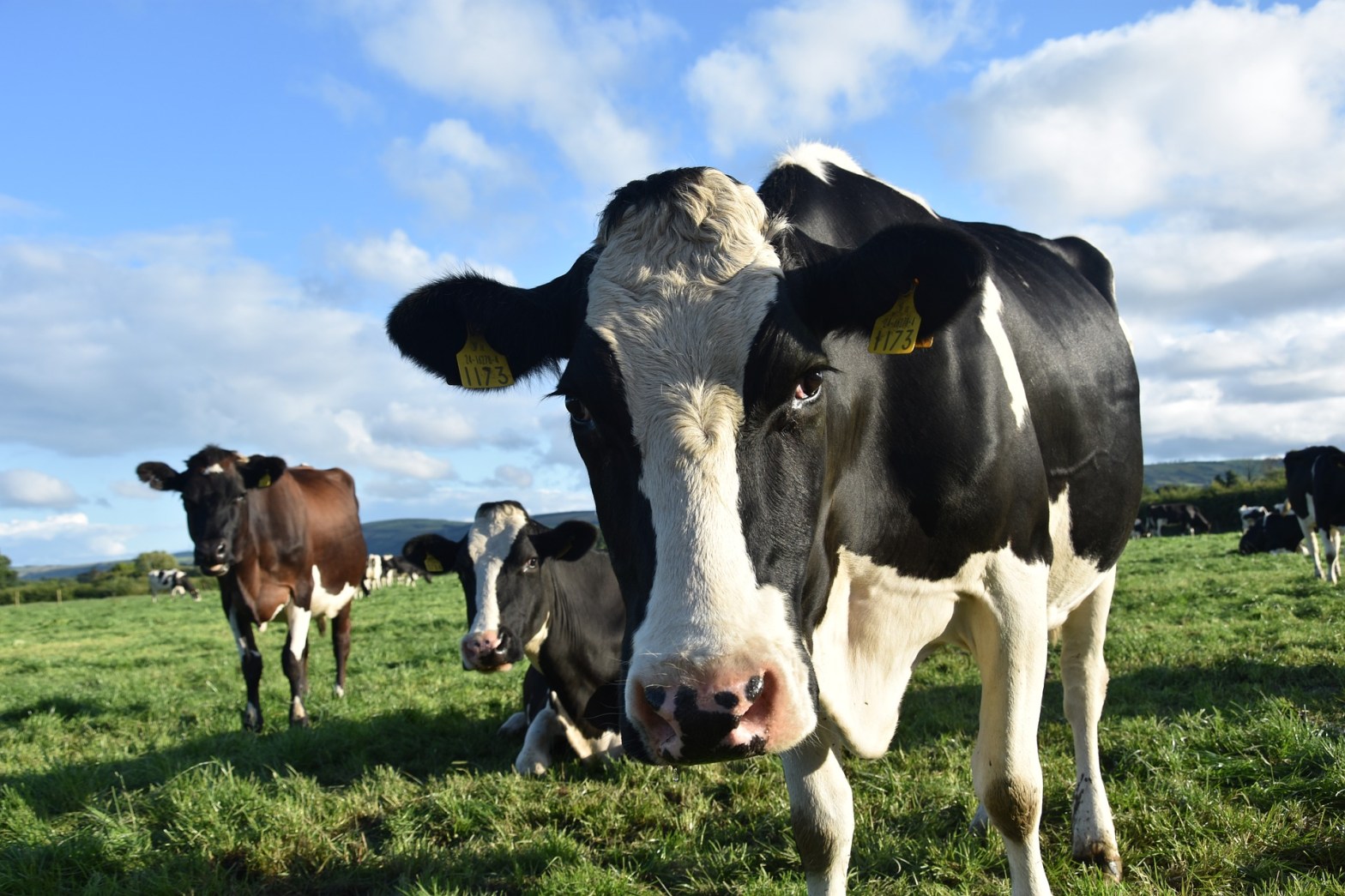
Many years ago, farmers would have small farms, with cow herds far smaller than todays numbers; averaging 10 cows per farm. These farmers would work the land with horses and if they were of affluent backgrounds they would have tractors. Over time dairy farmers started getting bigger and bigger, because of the fast pace technological advances (BC Dairy 2020).
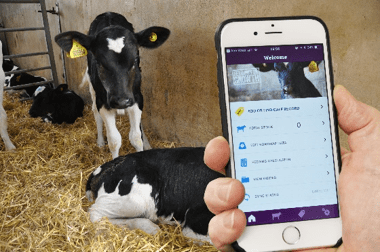
An app showing how a dairy farmer can track their herd and analyse all the data on the given animals (Farmers-mart.co.uk 2018)
Farmers now have the ability to look at the microscopic details and understand cows even more than ever before; through headcollars which measure walking distances, heat signals, best time to impregnate a cow and milk yields to name a few technological advances (BC Dairy 2020). The farmer has been able to use this technology and change the way they run their operation to be more efficient and profitable. This has been enabled through 5G connectivity like this farmer has: https://www.bbc.co.uk/news/av/business-46434250/how-5g-connectivity-could-keep-these-hi-tech-cows-healthy
This has meant farmers have had to learn new skills by understanding the different data that is being shown to them. This has meant the traditional skills farmers would have learnt are somewhat made redundant because of the technology but they are still needed in different areas, this consequently has led to a demand in more agricultural courses (Newsroom, 2016).
Technology has still not removed the very physical side of the job; henceforth the demographic trends of the agricultural industry still remain relatively the same as before. Tractors and machines have enabled the farmer to work longer into their lives as there is less pressure on the body because technology does some of the heavy lifting for them. Furthermore, farming is often a 24hr job, thus younger people are generally fitter and able to deal with these hours better than older demographics, hence there has been little change in this demographic over latter years.
However, what does the future of the dairy farmer look like? Many see it following the same sort of trend as other industries; it is slowly becoming automated. The future could be where all dairy farms are robotic. The food for the animals is made out in the fields where autonomous machines harvest and bring the crops in. A robot then makes the best mix of feed through analysing the crops, which a robot then delivers to the feed barriers. When a cow is seen to be ill, a robot calls either a vet to come and look at the animal or could it come to the stage where robots now analyse and treat the cows themselves. Something like this perhaps?
How dairy farms could look in the future (Lely 2018)
One thing that cannot be seen to change in the future is the reliance on the gig economy. Many farmers employ people in on short term contracts to do specific and specialist jobs: “Agriculture, forestry, fishing, mining, energy & water used to have the second highest proportion of the workforce in self-employment in June 1997, but this had declined almost 8 percentage points by 2017” (Odgers Connect, 2017 pg 9). This will remain the same for many years because many farmers do not own the machines to do the job unless the price of technology and machines drastically falls as currently it is not profitable owning these machines. However, the level of short-term jobs could be decreased with automated machines coming in; replacing the worker; shown from the above report. This is because farming is one of the most dangerous jobs in the world thus the push for more automated machines is very present (Tran and Sokas, 2017).
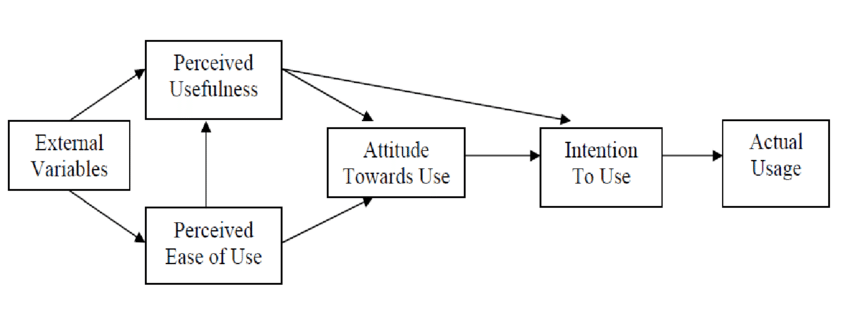
A factor that is preventing more technology from being implemented and changing the way farms are run is the current demographics who are running the farms do not like technology and are not susceptible to change. This is because they do not think the technology adds value or is useful and does not solve issues, as the way that they have done it has worked so why change something; highlighted by TAM’s model.
TAM’s model highlighting how people become acceptant to technology (Lai 2017)
We can see how technology has helped farmers become more profitable and changed the way that they do their jobs and how at times they have had to relearn skills. However, it is quite clear that the changes in the future are a long way off because of the increase in cost to implement technology and the fact the older generation who run the farms are susceptible to change.
Lai, P. (2017). THE LITERATURE REVIEW OF TECHNOLOGY ADOPTION MODELS AND THEORIES FOR THE NOVELTY TECHNOLOGY. Journal of Information Systems and Technology Management, 14(1).